

In 1968 two psychologists, John Darley and Bibb Latané, conducted a series of experiments to test what has become known as the Bystander Effect. In one of their research experiments, Darley and Latané asked participants to sit quietly and fill in a questionnaire. Sometimes the participant would be alone, and sometimes in a group of three.
After some time, the researchers pumped smoke into the room. For subjects who were sitting alone, 70% tended to note the smoke and calmly leave to report it. However, when the subjects were in a group of three, only 40% of participants were likely to react. The usual pattern was for all three to remain passive, reassured by the passivity of the others.
The Bystander Effect has real consequences. On a late spring evening in May 1977 at the Beverly Hills Supper Club, just outside Cincinnati (USA), about 1,200 diners were seated in a cabaret room filled with laughter, crystal, and anticipation. A comedy duo warmed the crowd for the evening’s headliner, singer and TV personality John Davidson.
Meanwhile, on the other side of the sprawling complex in a tiny area known as the Zebra Room, a small fire had started. The fire quickly grew as it found an abundant supply of both oxygen and timber. There were no sprinklers, no alarms, and no public warning system to alert diners that the blaze was racing toward them.
An 18-year-old assistant waiter, Walter Bailey, saw the danger and tried to alert his supervisor in the cabaret room. However, the supervisor simply looked confused, and then walked away. So the teenager did what leadership sometimes demands. He mounted the stage, voice shaking, and using a microphone calmly directed the audience to the exits. He spoke clearly. He named the threat. He left the microphone and stepped down, expecting everyone to follow him to the exits.
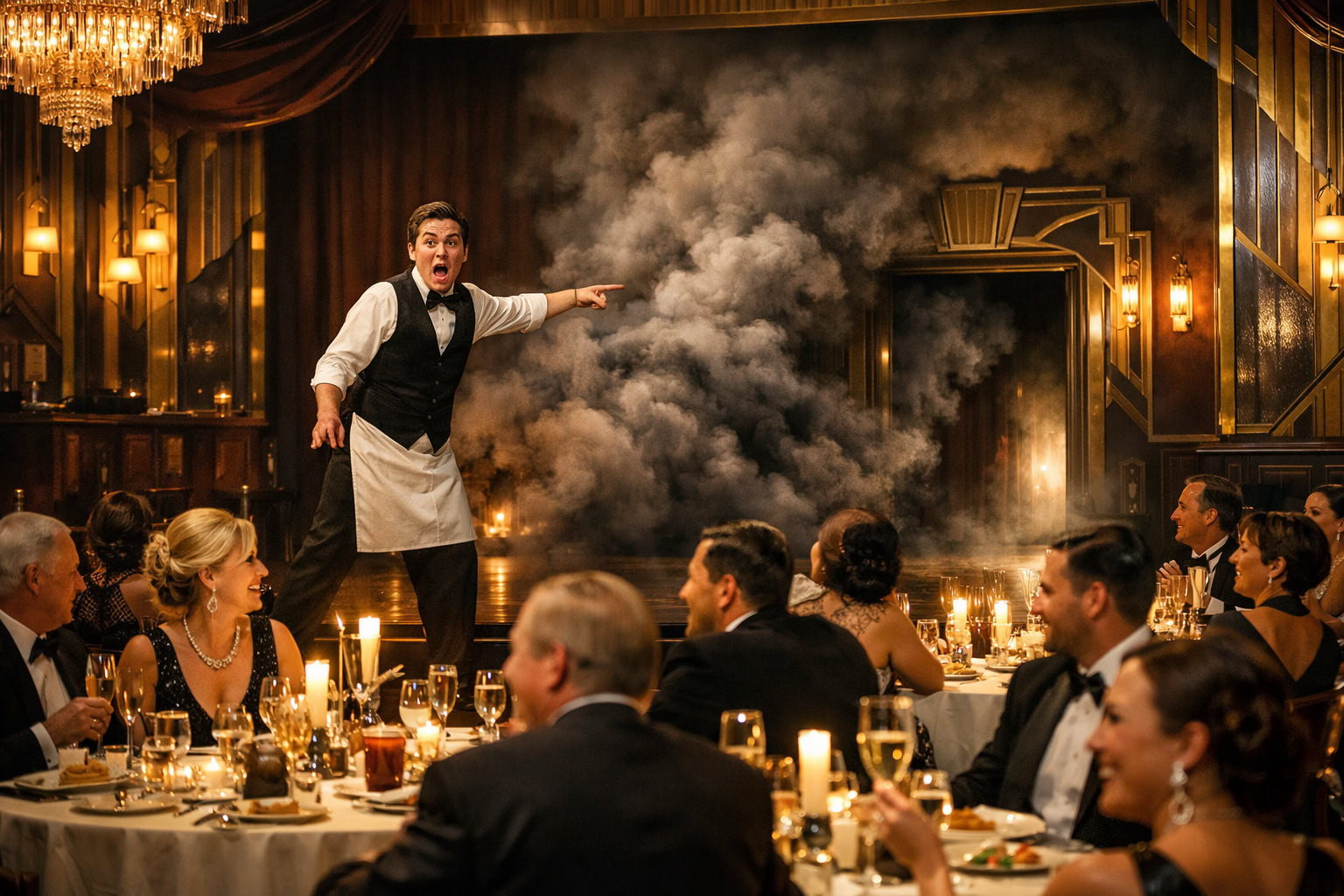
But the diners in the room did not move. People glanced left and right, not for the exits, but for cues. Who is this “young kid”? Is this real? Is this part of the act? The tickets were expensive, the food was good, and the star had yet to sing. In the absence of visible panic, doubt spread faster than urgency. Each person waited for someone else to decide.
Just four minutes later, the electricity failed and the lights went out in the ballroom. Toxic smoke rolled into the room and everyone still there faced a very difficult challenge in getting out alive. Walter Bailey held his breath and headed back into the cabaret room several times to drag as many people out of the room as he could manage.
165 people died that night and more than 200 were injured. If it had not been for Walter Bailey, the death toll might have been many hundreds more. Bailey survived, and was rightly acclaimed as a true hero.
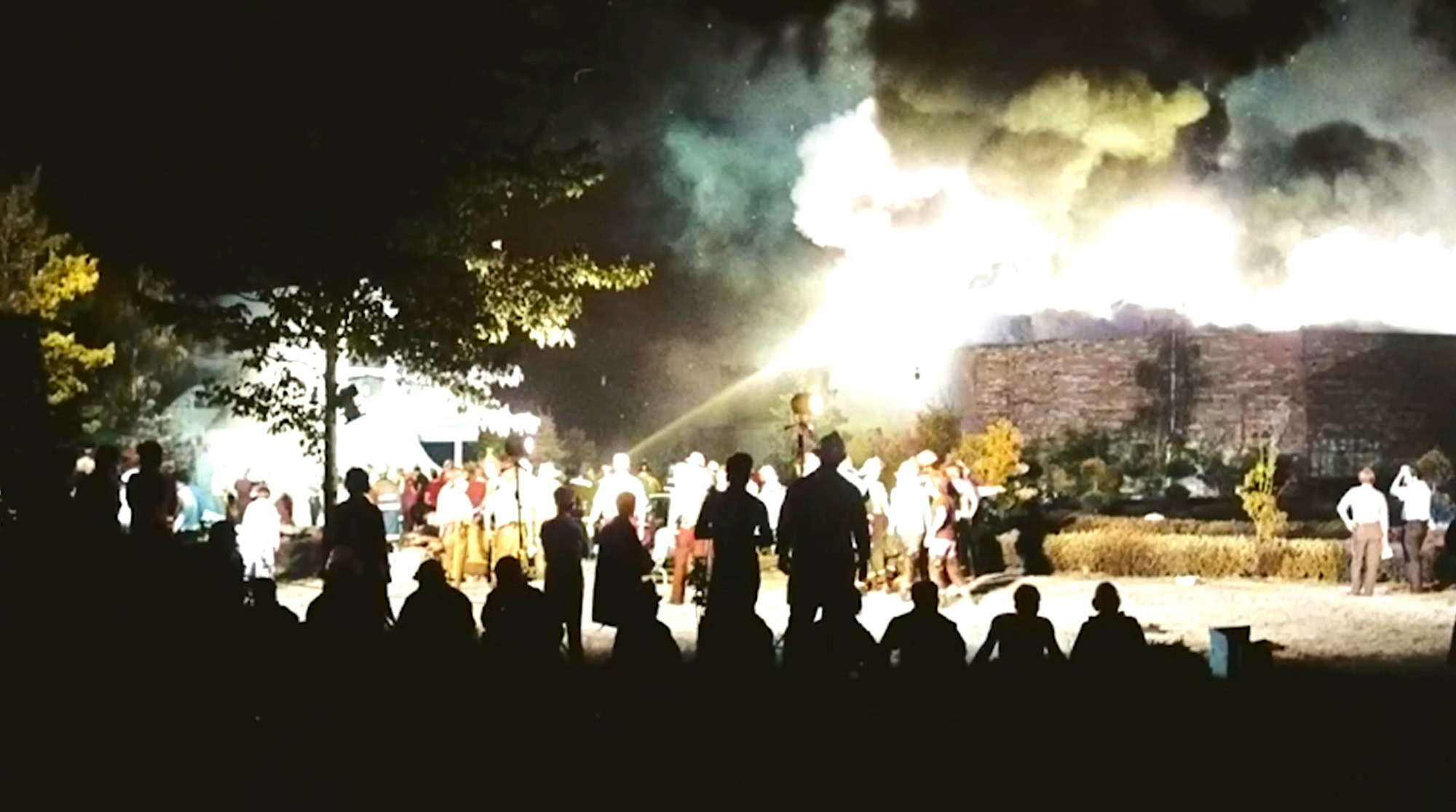
The tragedy stands as a stark illustration of the Bystander Effect. When responsibility diffuses across a crowd, action stalls. Even with a clear warning and open doors, collective hesitation can become fatal.
Think about this for a moment. When was the last time you chose to ignore a fire alarm because no-one else was moving? How often do you assume a fire alarm is literally a false alarm? In a school board meeting or a staff meeting, how often do you wait to gauge other people’s reactions before deciding whether or not a threatened crisis might be real or not?
On 15th March 2020 I was in Yangon, Myanmar (formerly Rangoon, Burma) to undertake field research for “Our Dynamic Planet”, a textbook for IB Diploma Geography I was revising at the time. Two days earlier, while I was on my way there, the World Health Organisation had declared a new virus known as COVID-19 to be a global pandemic. On the following day (16th March) my country’s government effectively ordered all citizens who were overseas to return home and self-isolate to two weeks.
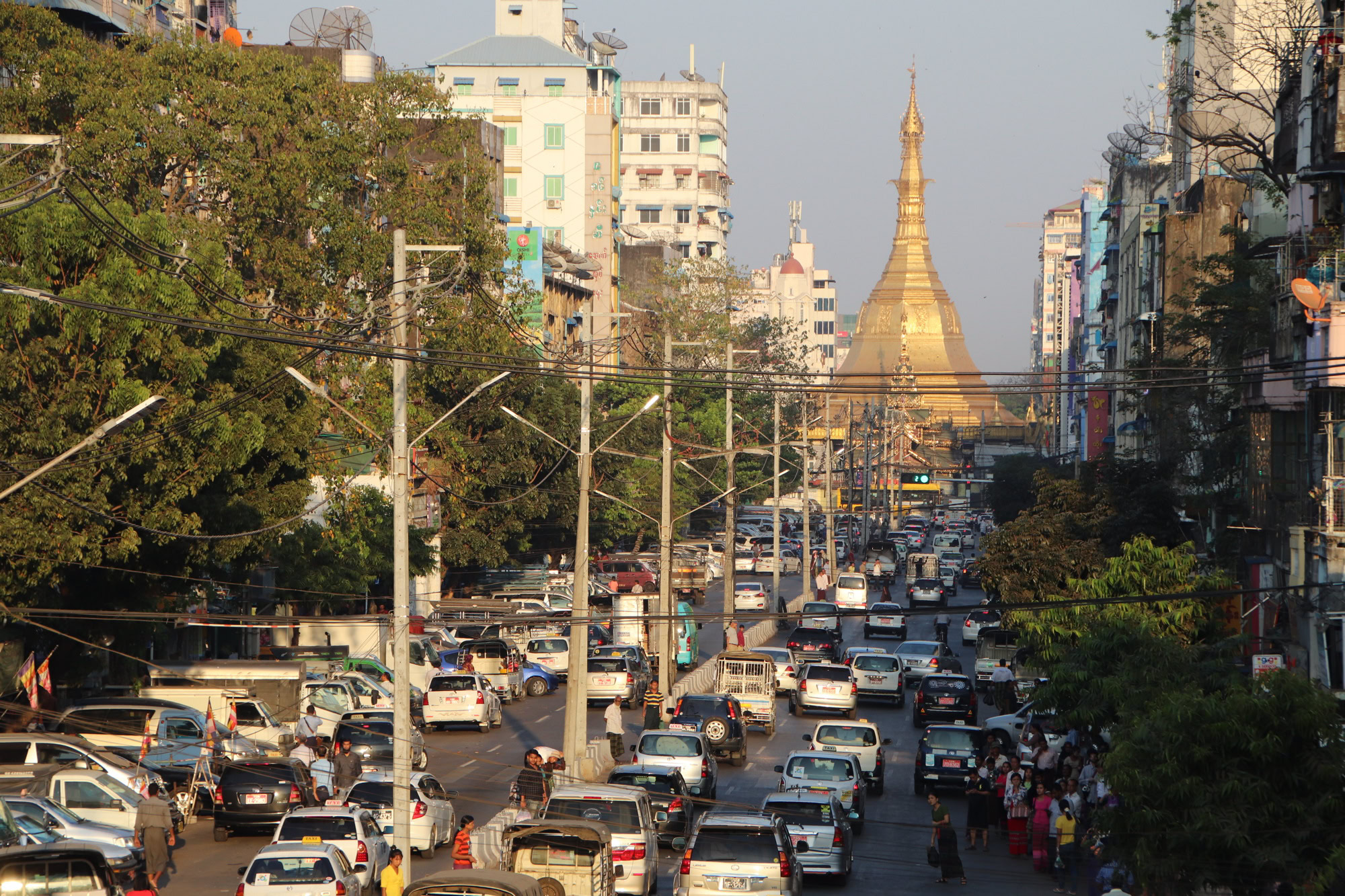
As far as we knew at the time, “only” about 2,500 people outside China had died from the new virus, mostly in Italy, Iran and Spain, and certainly no-one in Myanmar. For those around me in Myanmar, the risk felt very distant. As you can see in the photo below which I took at the time, the streets were crowded, no-one wore masks, and everyone was living their lives as they had always done. The taxi driver who took me to the airport as I left to return home sagely explained that Myanmar would not experience the virus because there was not much air conditioning there, unlike neighbouring Thailand where there had been several cases (and even one death) because air conditioning was spreading the virus.
Of course, the COVID-19 virus did not remain a distant threat for long. The coronavirus was far too contagious for that (and, for the record, it didn’t need air conditioning to spread). Like the fire in the Supper Club in Cincinnati, it was spreading at an accelerating rate.
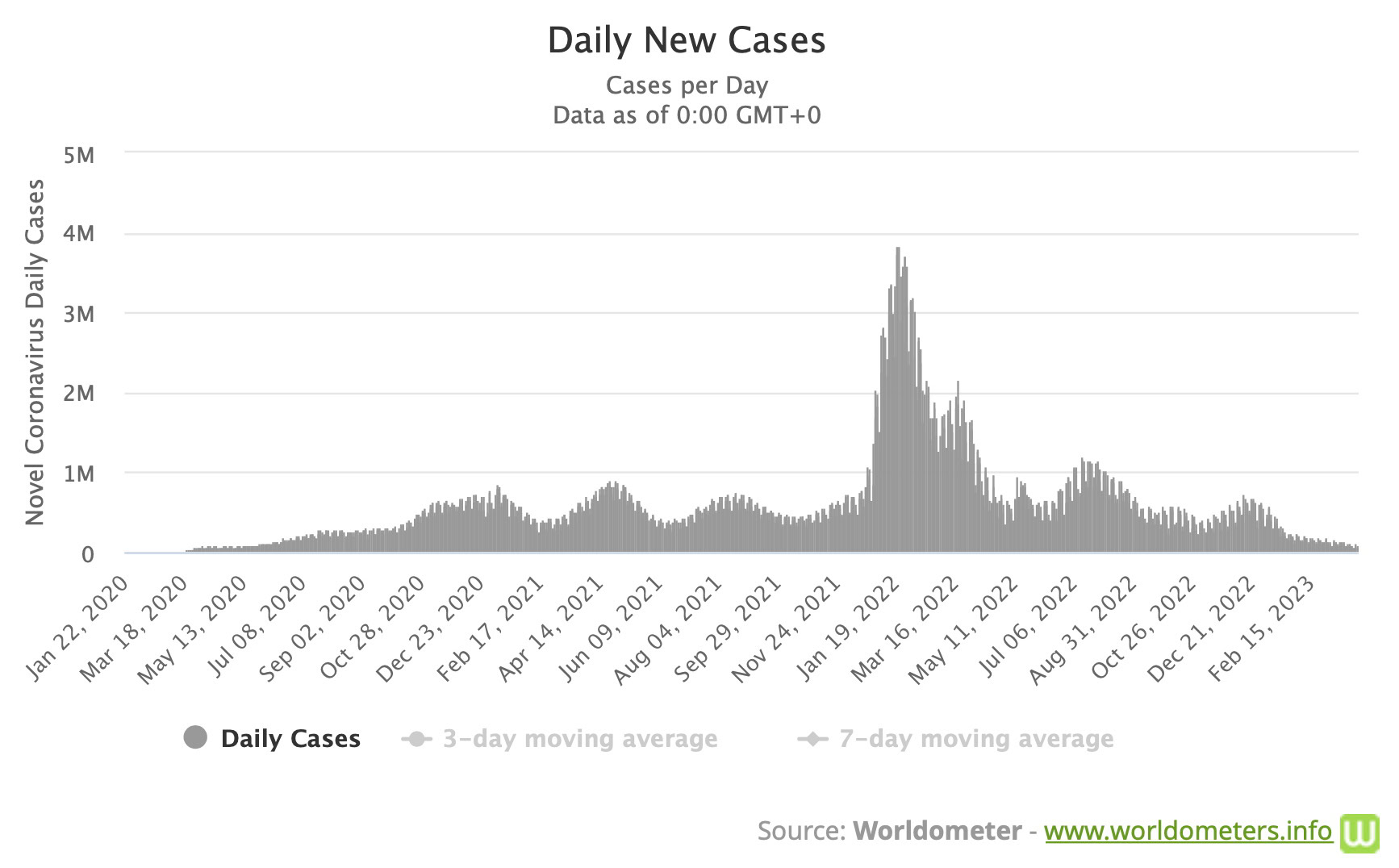
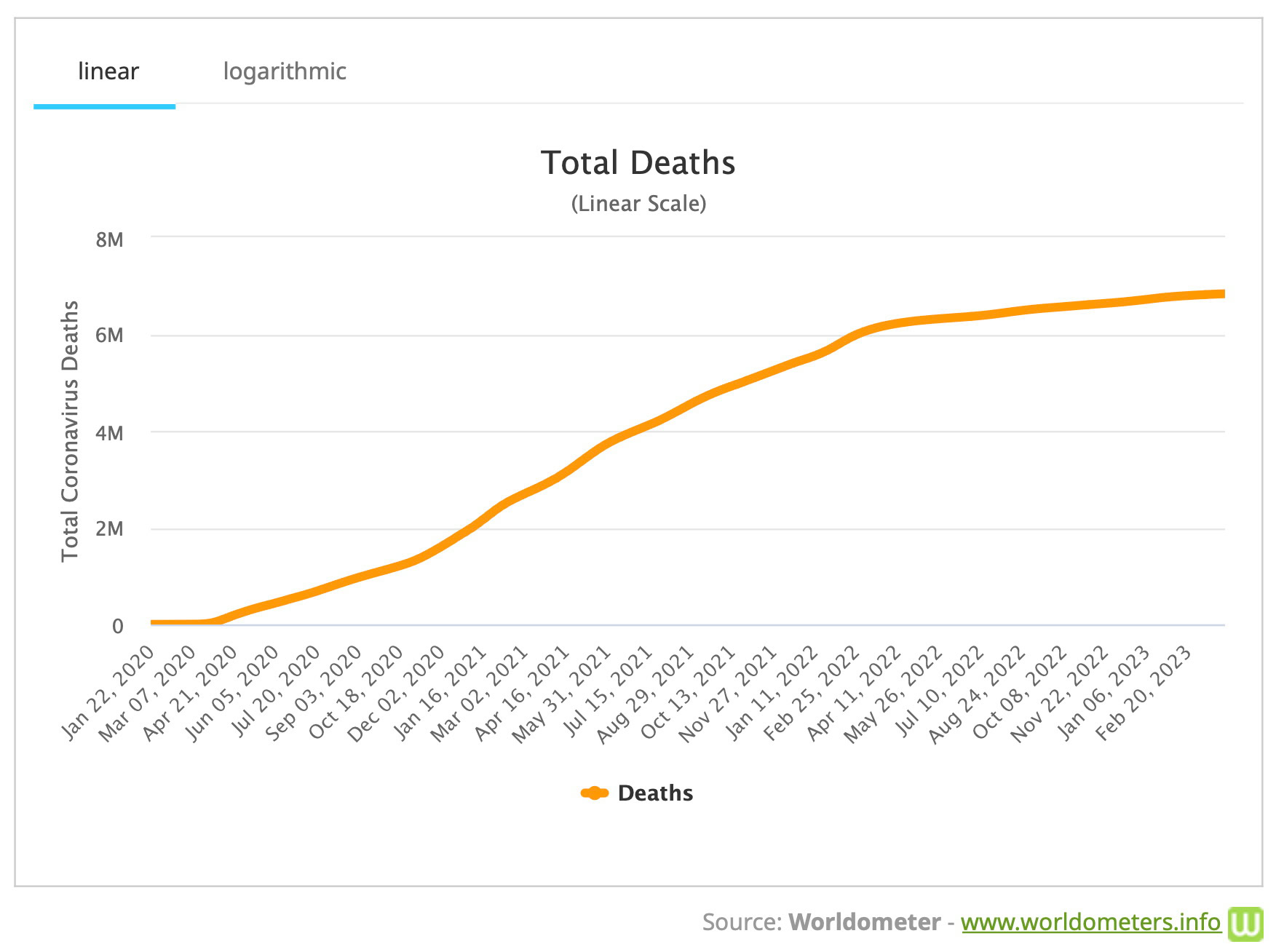
The same book that I was researching while I was in Yangon also contained a detailed study of global pandemics, so it should be no surprise that I used the-then emerging COVID-19 pandemic as my example. I recorded data of the pandemic’s spread on a daily basis for more than three years. According to official figures, 6,635 people had died world-wide from COVID-19 when I was in Yangon. By 31st March 2023 when I stopped collecting statistics, that number had reached more than 6.8 million people.
How I reacted in the early stages of the pandemic provided another insight into the Bystander Effect. I paid close attention to the expert commentary – I was, after all, writing a book chapter about the emerging contagion so I felt an obligation to understand, and even explain, what was happening. One expert claimed that the virus might kill 1 in 10 people who became infected. Another said the fatality rate would be more like 1 in 100, or maybe even as low as 1 in 200.
It was clear that no-one knew for sure, so I did what everyone else did, which was to wait and watch what everyone else was doing. (Actually, I didn’t have much choice, as I lived in a city where government-imposed lockdowns forbade travel and required everyone to isolate for several months). Like almost everyone else, my wife and I stayed indoors except for short-distance trips to buy essential food. We stockpiled increasingly scarce toilet paper, my wife started growing vegetables in the back yard, I conducted my teacher-education courses online from my home study, and I wore masks when going for short exercise walks around the block. I took my cues from those around me as every authentic, obedient social being was expected to do.

I wonder whether I (and others) might have acted differently in early 2020 if we had been told with inerrant authority that during the next three years, about 110 million people around the world would catch a newly emerged virus and that it would kill 6.8 million of those people, that global travel would grind to halt, that global supply chains would be so disrupted that they would not have fully recovered by 2026, that government spending in many countries would skyrocket to prevent a collapse of the world’s financial system, and that governments in several countries would topple as populations inflicted their revenge on unpopular administrations.
I wonder whether school leaders would have reacted differently in 2020 if they had known with certainty what some of the impacts of the coming pandemic would be on students’ learning: shorter attention spans, greater reliance on adult direction, lower tolerance for boredom, reduced stamina for engaging in critical thinking and sustained conversations, addiction to screens, rise in mental health issues, chronic long-term absenteeism, and so on. How might we have all responded?
Upon reflection, just like the patrons in the Beverly Hills Supper Club, I think we all wanted to be a little more certain that there really was a problem before committing ourselves to serious action.
I wonder how many Heads of School and members of school boards today are similarly confused into inaction when confronted with a huge, new, unexpected situation, especially when the unforeseen circumstance shows potential to spiral into a crisis or even catastrophe.
For Heads of Schools and board members, paralysis in the form of the Bystander Effect when faced with a sudden, escalating threat can easily metastasise into crisis. In high-stakes educational environments, where student safety, community trust, and institutional reputation are at risk, waiting for “someone else” to interpret the moment or take the first step is itself a decision, and almost always the wrong one.
Decisive leadership demands that the risk be identified and named early, even when information may be incomplete, at which point routine governance needs to shift into crisis mode. In a practical sense, that involves clarifying and publicising who holds authority, activating pre-agreed emergency protocols, communicating with staff and the wider school community transparently and frequently, and assigning explicit responsibilities. Calm, visible action, grounded in the school’s mission and values and supported by clear structures, breaks the paralysis of collective hesitation caused by the Bystander Effect. It signals to the whole community that leadership is alert, transparent, accountable, and in command.
- Dr Stephen Codrington
References:
Stephen Codrington (2021) Our Dynamic Planet 2nd ed.. See pp.672-684 (the COVID-19 pandemic) and pp.702-710 (Economic and residential land use in Yangon)
Cautionary Tales with Tim Harford: Fire at The Beverly Hills Supper Club (Update), 25 Jul 2025
We offer support for school leaders and board members in many areas, including workshops and direct support on risk management.
Further information on this and many other facets of best practice in school leadership and governance is provided in the books “Optimal School Governance", and “DARING INSIGHTS into School Leadership and Board Governance”, which can be ordered directly through Pronins.
You may also be interested in previous articles which are archived at https://optimalschool.com/articles.html. You can subscribe to receive future articles by e-mail using the red button below.